Travel Direction as a Fundamental Component of Navigation
We show that travel direction is a fundamental component of human navigation. 

We show that travel direction is a fundamental component of human navigation.
We show different direction classification performance in neural networks during navigation in a complex environment. We also observed a relationship between individual differences in the classification strength in each brain region and navigation performance. 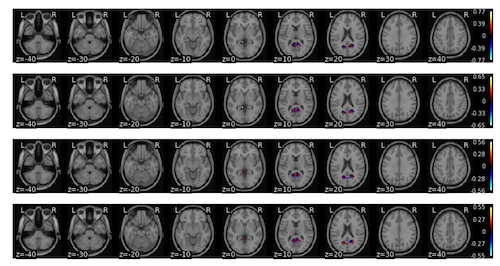
We show that embodied experience influences spatial thinking about right hands, which might account for the presence of world knowledge variability in the mental rotation task, while also suggesting that common external experience shapes performance in spatial thinking tasks. 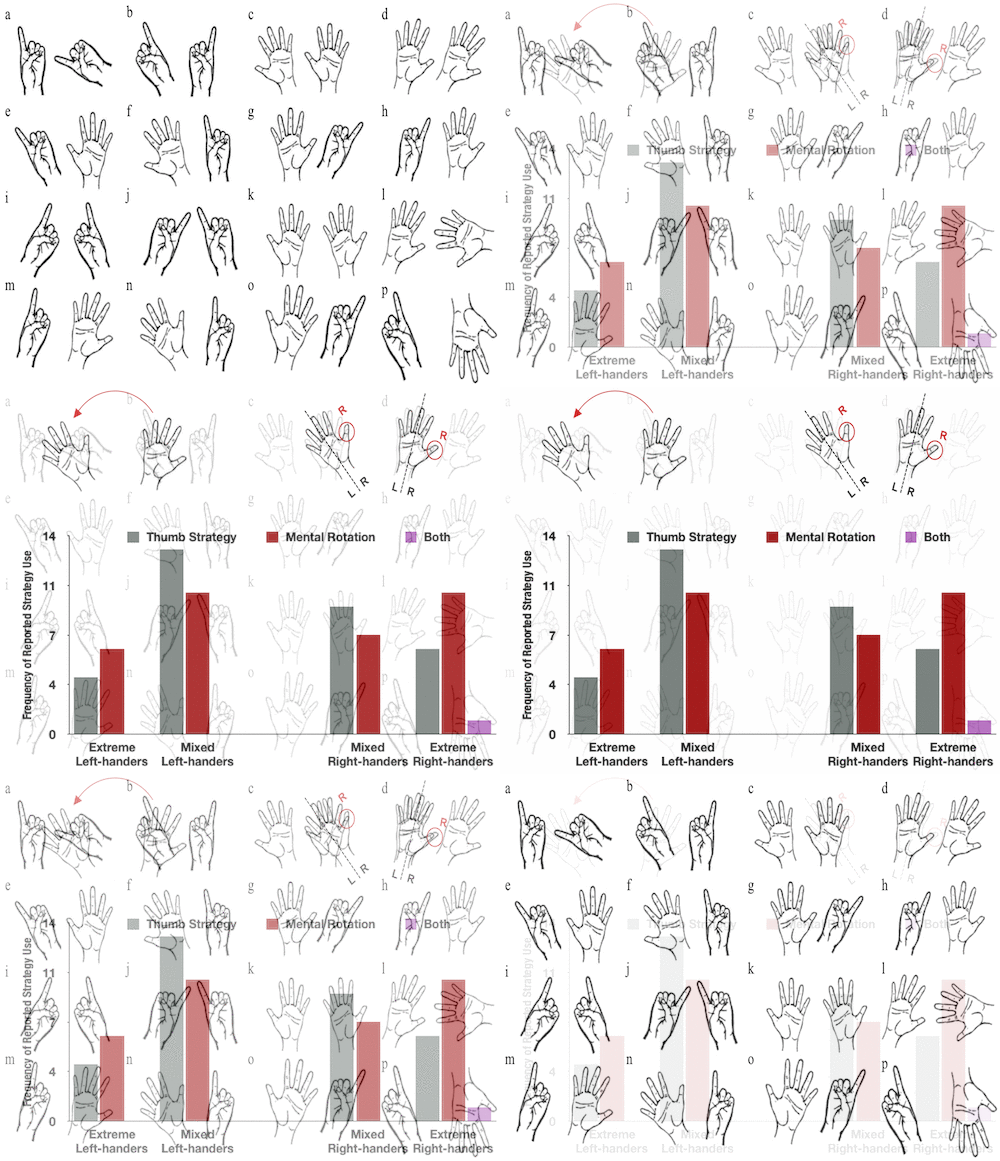
We show that people’s perception of spatial distance toward famous people is influenced by time distance. The more historical the person, the bigger the influence of the time distance. 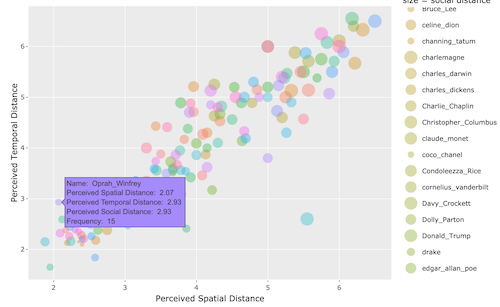
We look at navigation paths in males and females from a mobile game – Sea Hero Quest. 
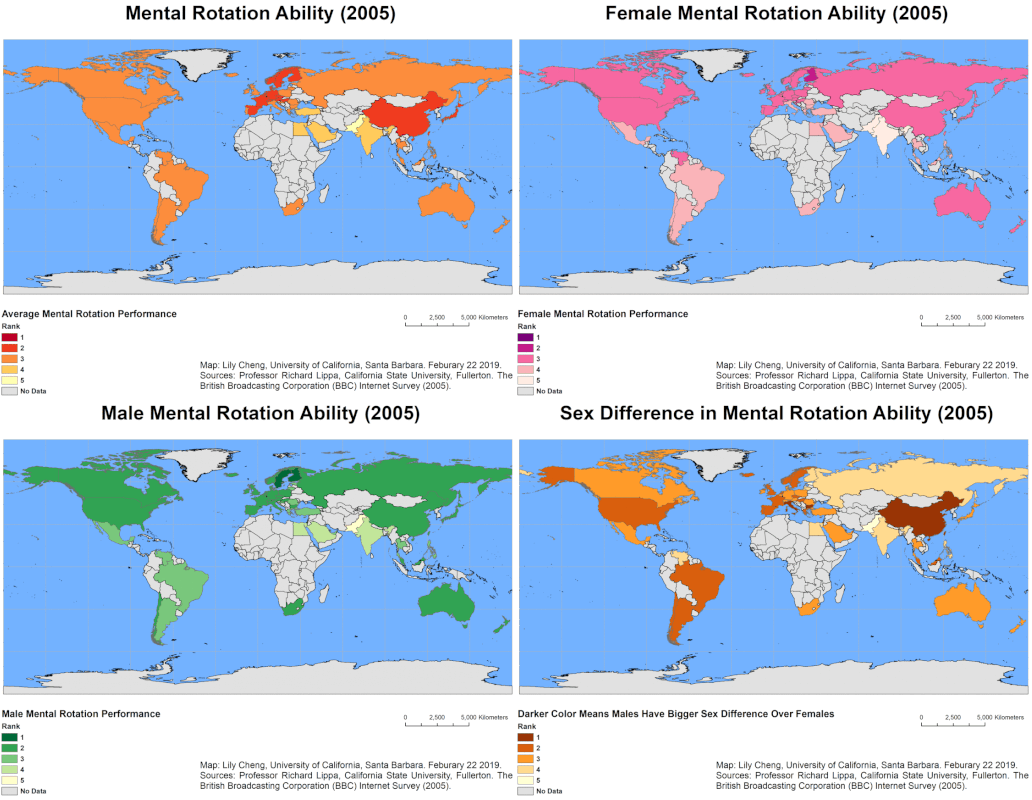
We observed consistent sex differences in mental rotation ability and line angle judgment ability across countries.